Rails and Tides Through the Wild North
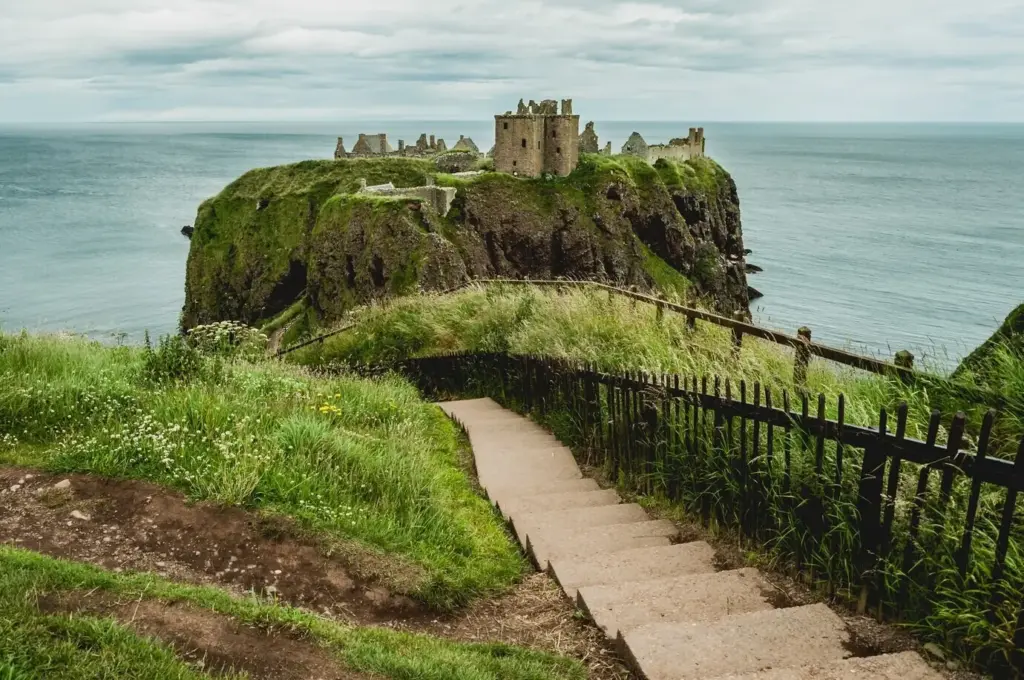
Set out across Scotland’s Highlands and Islands by train and ferry, no car required. This practical, story-rich guide charts connections, scenic railways, island sailings, and village buses so you can build a smooth, flexible itinerary and travel light yet deeply. We highlight rail passes, combined tickets where available, realistic timings, and weather-savvy plans, weaving local anecdotes and accessible tips. Share your questions in the comments, bookmark updates, and subscribe for fresh route ideas and seasonal schedule changes.

Start Smart: Passes, Tickets, and Timing

Before wheels or propellers move, the smartest step is choosing tickets that match your rhythm. Scotland offers flexible rail passes, occasional Rail & Sail combinations, and point-to-point options that suit both slow wanderers and brisk explorers. We compare costs, calendar limits, and reservation quirks, then translate fine print into real-world choices. Add buffer time between trains and ferries, because weather and scenery both slow you—one by nature, the other by delight. Planning well lets spontaneity bloom safely.

Where Rails Meet Moorland: The West Highland Wonders

This legendary railway threads lochs, mountains, and empty moorland that seems to float above the world. Watch deer on Rannoch Moor, then glide under big skies toward Fort William, Oban, or Mallaig, where ferries wait beside gulls and diesel hum. Windows become picture frames of heather, viaducts, and silver light pooling between peaks. Trains often split or join at Crianlarich—an elegant reminder that choices abound. Slow down, choose a side of the carriage thoughtfully, and prepare to whisper wow.

Glasgow to Fort William: Rannoch’s Otherworldly Quiet

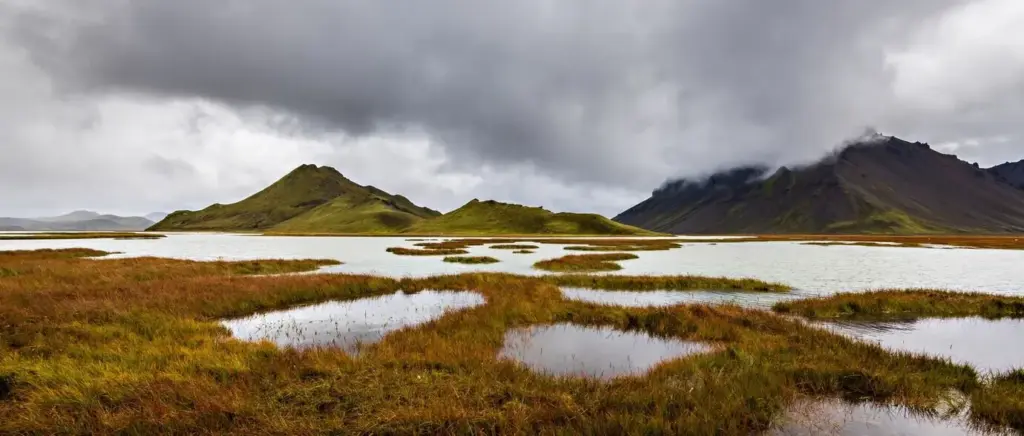
As the city fades, the line climbs into open country where peat bogs shimmer and stags stand like statues against the horizon. Request-stop stations appear like secrets, each with a story told by wind and rain. Pack a warm layer even in summer; mountain weather is honest and quick. Fort William greets you with Ben Nevis watching from above, a gateway to trails, gondolas, and hearty suppers. Give yourself daylight here—the long northern glow stretches conversations and smiles.

Fort William to Mallaig: Viaduct Arches and Sea-Salt Air

Cross the famous Glenfinnan Viaduct and feel the carriage lean into history while lochs flash like polished steel between evergreens. This short ride invites pauses: hop off for a wander, then continue to Mallaig’s bright harbor. When a steam service runs, book early; when it doesn’t, the regular train is equally cinematic and calmer. Mallaig’s fish and chips restore travelers before the ferry horn calls. Trains and boats sit neighbors here, making transfers easy and temptations—like extra oysters—delightfully hard to resist.

Crianlarich’s Choice and the Oban Branch

At Crianlarich, carriages sometimes split, one portion aiming for Oban’s colorful waterfront and island gateways. Oban rewards with viewpoints, seafood huts, and ferries that fan across the Firth of Lorn toward Mull and smaller isles. Sit on the left for sweeping loch views when heading west, then stroll the esplanade between trains and sailings. A night here buys calm mornings and early ferries, giving you time to sip coffee while the harbor wakes. Sailings pair beautifully with coastal bus loops ashore.

Island Hops Without a Steering Wheel

Ferries knit the archipelago like silver thread, carrying walkers and rail travelers to villages where buses meet at the pier. Schedules breathe with tides and weather, but crews are masters at guiding newcomers. Plan connections calmly, travel early when you can, and let island time soften expectations. On board, claim a window corner, chat with locals about bakery hours, and watch headlands slide past. Without a car, you taste something deeper: scale slows, distances clarify, and hospitality widens.

Inverness as a Gateway: Kyle and the Far North

Inverness centers the Highlands like a compass rose, sending trains west to Kyle of Lochalsh and north to Wick and Thurso. Both routes are unhurried, intimate, and deeply local, passing salmon rivers, castle lawns, peatlands, and shining firths. Expect request stops where a single passenger can summon the train like a courteous ghost. Plan days with generous pauses; services are fewer here, and that rarity is part of the charm. Between journeys, Inverness itself offers river walks, music, and restorative meals.

To Kyle of Lochalsh: Windows on Water and Mountain

This line is a gallery of reflections: lochs mirror pine and cloud while the train curves delicately along shores and through crofting country. Alight at Plockton for palm-like cordylines and pastel houses, or continue to Kyle for bus connections toward Eilean Donan and Skye. Bring snacks, charge your camera, and keep your itinerary spacious—there is no rush worth missing these views. If rain etches the glass in silver, celebrate it; the scenery becomes watercolor, and conversations grow warmer.

North to Wick and Thurso: Edges of the Map

The Far North Line unspools through peat, farm, and fishing towns until the sea returns at the world’s soft edge. Look for osprey platforms and seals near causeways, then step off at request stops with care and curiosity. From Thurso, buses connect to Scrabster for ferries that skip across to Orkney, weather permitting. Trains are few, so sketch your day like a lighthouse keeper: precise, patient, and hopeful. The reward is quiet grandeur, and a night sky that astonishes.

Request Stops, Supplies, and Meaningful Pauses

Some platforms are tiny, and some shops sparse, so treat provisioning as part of the adventure. Stock up in Inverness or larger towns, then savor small-batch surprises where you find them—shortbread, smoked fish, or a perfect scone. Learn the etiquette of request stops, signaling clearly and boarding briskly. When connections stretch, embrace the pause: sketch a shoreline, read a local history board, or share stories with fellow wanderers. Time spent listening often becomes the best souvenir of all.

Stays, Meals, and Moving Lightly
Without a car, your lodgings shape the day’s ease. Prioritize places near stations and piers, then branch out for hill paths and harbor sunsets. B&B hosts and café owners are priceless advisors, sharing bus tips, tide gossip, and bakery hours. Book early in summer; options vanish like mist after sunbreak. Pack with restraint and warmth. A small bag, quick-dry layers, and a notebook open doors—literally and figuratively—because the lighter you move, the more invitations you’ll notice and accept.
Being five minutes from a morning train means one more stretch, one more photo, and zero panic if rain slows you. Many harbors offer guesthouses within an easy roll of a suitcase; ask about early breakfasts or packed lunches for tight connections. Ground floors help after long days, while a sea-view window becomes its own itinerary. In small villages, confirm check-in windows carefully. A friendly message ahead often leads to keys waiting, smiles ready, and local secrets shared generously.
Plan one anchor meal per day, then graze around it with market finds, bakery pies, and ferry-café soups that taste of comfort. Co-ops and small grocers appear near many stations; stock snacks before remote segments. Respect kitchen closing times, especially on Sundays or shoulder seasons. When weather shrugs, duck into a pub and watch clouds tear open over the water. Ask servers about catch-of-the-day or venison stew. Food tastes better when earned by wind, patience, and walking between piers.
The Highlands change costumes quickly. Carry a breathable waterproof, insulating layer, hat, gloves, and shoes that welcome rain and rough platforms. A compact laundry kit extends outfits, while a drybag keeps maps and journals legible if spray lifts on deck. Poles help on muddy trails near stations; headlamps serve early ferries and late trains. Keep chargers and a power bank accessible. Pack curiosity too; it weighs nothing and buys conversations, stories, and directions that no device will ever replace.

Weather, Disruptions, and Graceful Backups

Sea and sky choreograph this journey, and sometimes they improvise. Ferries may hold or reroute; trains may crawl to honor safety. Build Plan B and Plan C as quiet companions, then bring them forward with a smile when needed. Choose earlier departures, favor daylight changes, and learn to read service alerts like tide tables. Most importantly, stay kind to yourself; a changed plan often delivers unexpected beauty. The north rewards patience with clearer air, brighter light, and stories you could not script.

Sample Itineraries You Can Trust and Tweak

Use these outlines as living maps, not rigid clocks. Each day pairs reliable connections with generous pauses for weather, appetite, and wonder. Start early, travel lightly, and edit freely. The goal is not squeezing everything in; it is noticing what enters your path. Add nights where a place speaks, subtract leaps when the wind sings. Share your adjustments in the comments so others learn, and subscribe for seasonal refinements as timetables shift and new routes sparkle into reach.
Muzaxifimaxumuno
Privacy Overview

This website uses cookies so that we can provide you with the best user experience possible. Cookie information is stored in your browser and performs functions such as recognising you when you return to our website and helping our team to understand which sections of the website you find most interesting and useful.